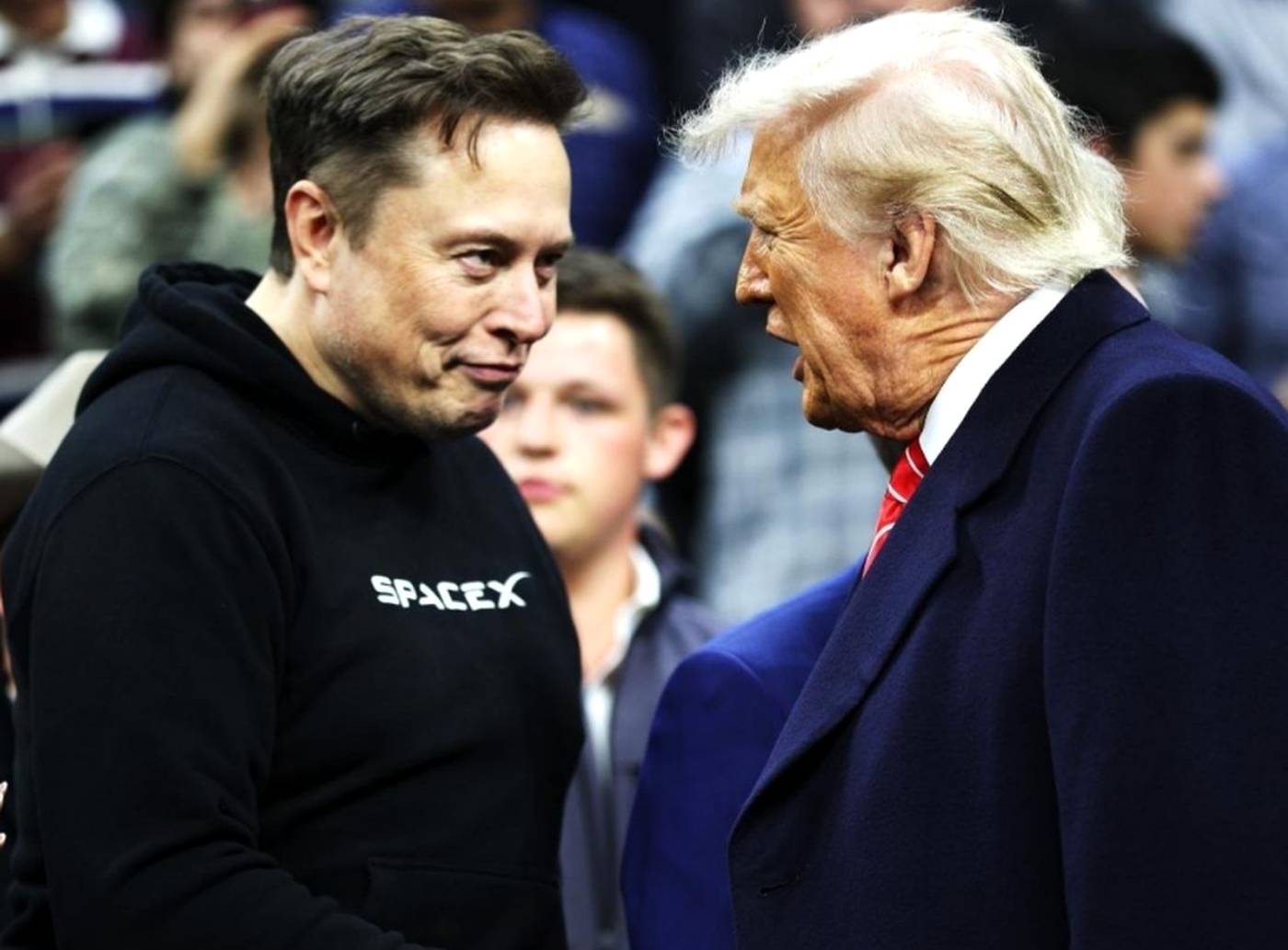
A renewed push to eliminate the Senate filibuster is gaining attention as President Donald Trump, entrepreneur Elon Musk, and Sen. Mike Lee (R-Utah) publicly align behind calls to change Senate rules and advance key legislation with a simple majority.
The effort is centered in part on the SAVE America Act, a Republican-backed proposal that would require proof of U.S. citizenship and photo identification to register and vote in federal elections. Supporters argue the bill is aimed at strengthening election integrity, while opponents say it could create barriers for eligible voters.
Under current Senate rules, most legislation must receive 60 votes to overcome a filibuster and proceed to a final vote. Republicans currently hold a narrow majority, meaning they would need Democratic support to pass most bills under existing procedures. Trump has repeatedly urged Senate Republicans to use the so-called “nuclear option” to eliminate the filibuster threshold. In earlier remarks, he argued that doing so would allow the party to move forward on priorities more quickly and prevent legislative gridlock.
“It is now time…to get rid of the filibuster,” Trump said in a prior statement, framing the move as necessary to advance the party’s agenda
“It is now time…to get rid of the filibuster,” Trump said in a prior statement, framing the move as necessary to advance the party’s agenda.
🚨 IT’S OFFICIAL: President Trump and Elon Musk join forces with Sen. Mike Lee calling for the Senate GOP to NUKE THE FILIBUSTER and get our policies DONE
— Eric Daugherty (@EricLDaugh) April 24, 2026
ESPECIALLY the SAVE America Act
47 and Elon know what time it is!
They just want to save our republic 🇺🇸 pic.twitter.com/GFUFosdlIX
Sen. Lee has echoed that position more recently, calling for an end to the 60-vote requirement and urging the Senate to begin passing legislation with a simple majority. His comments come as Republicans attempt to advance measures like the SAVE America Act, which has already faced procedural challenges.
I have seen enough, and heard enough excuses. We cannot let Democrats sabotage this country.
— Mike Lee (@SenMikeLee) April 17, 2026
If nuking the filibuster is the only way to deliver on wildly popular legislation like the SAVE America Act, then we need to nuke the filibuster and start passing bills.
Musk has also weighed in on the debate, arguing that the modern filibuster differs from its original intent. He has suggested the rule was historically designed to allow extended debate, not to require a supermajority for most legislation.
The filibuster has long been a point of contention in both parties
Despite the pressure from Trump, Lee, and others, Senate Majority Leader John Thune has indicated resistance to eliminating the filibuster. Thune has said the votes are not currently there within the Republican conference to make such a change, reflecting ongoing divisions within the party over Senate rules.
The filibuster has long been a point of contention in both parties. In recent years, Democrats also debated changes to the rule while attempting to pass voting rights and other legislation, though those efforts fell short due to internal opposition.
Supporters of keeping the filibuster argue it protects minority party rights and encourages bipartisan compromise. Critics counter that it has increasingly been used to block legislation and contribute to gridlock, limiting the ability of the majority party to govern.
Even if Republicans were to unify around eliminating the filibuster, the move would represent a major institutional change with long-term implications for how the Senate operates
The SAVE America Act itself remains a focal point in the current debate. Republicans have framed it as a core election policy priority, while Democrats have raised concerns about documentation requirements and potential impacts on voter access.
Even if Republicans were to unify around eliminating the filibuster, the move would represent a major institutional change with long-term implications for how the Senate operates. Rule changes could be enacted with a simple majority vote, but doing so would likely reshape legislative strategy for both parties in future administrations.
For now, the proposal to end the filibuster remains uncertain. While high-profile figures are calling for immediate action, Senate leadership has signaled caution, and no formal vote on changing the rule has been scheduled.
The issue is expected to remain part of broader discussions about Senate procedure and legislative priorities as lawmakers continue to navigate a closely divided chamber.