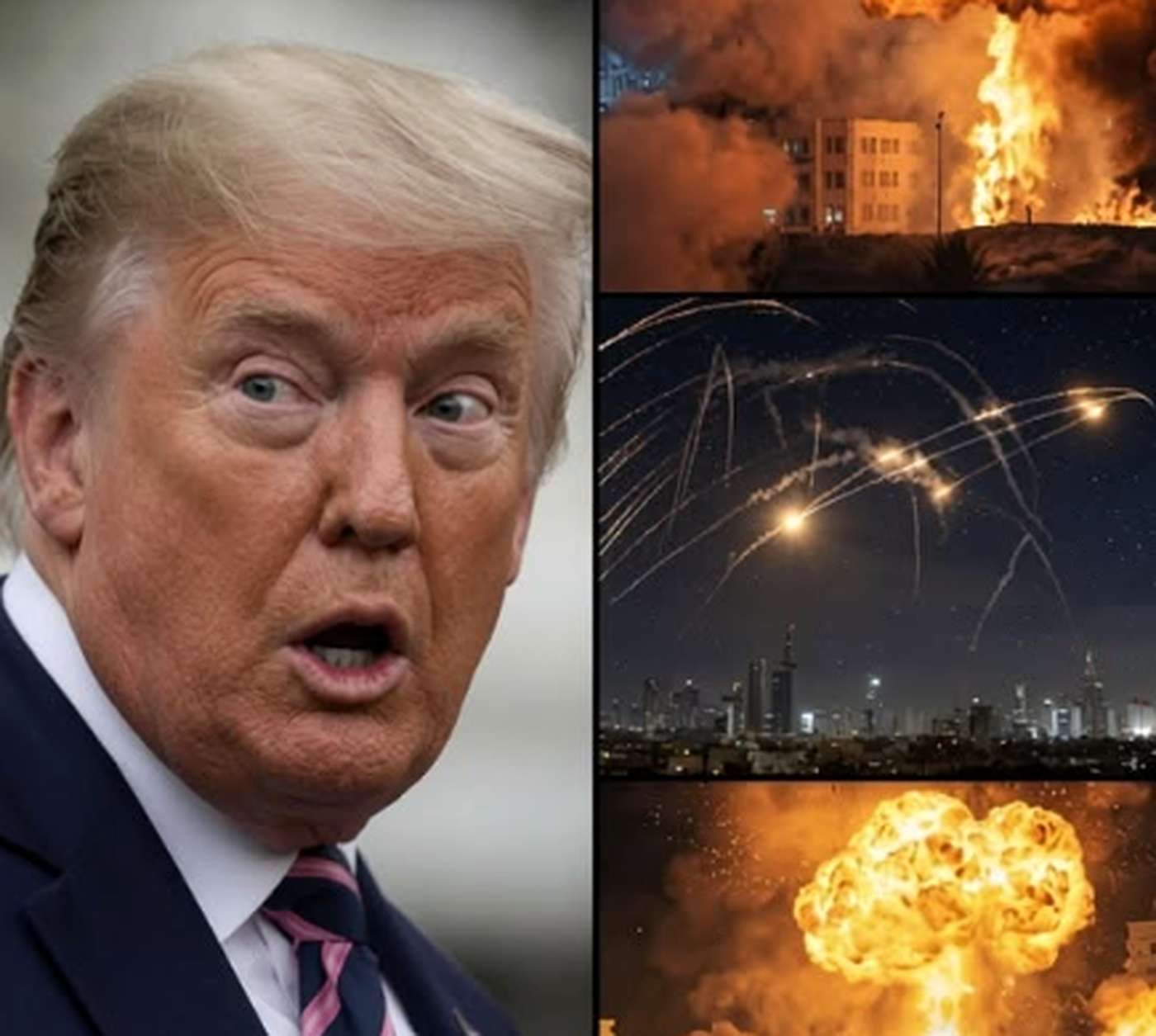
Israel has officially transitioned into a period of heightened security readiness, characterized by increased military preparedness and the rapid implementation of robust defensive protocols. Officials have confirmed that these precautions are essential for safeguarding national security in response to evolving regional threats. Given the intricate geopolitical challenges inherent to the Middle East, this shift is being analyzed as a strategic necessity rather than an isolated incident, reflecting the volatile nature of shifting regional alliances and longstanding political instability.
The current defensive strategy includes the activation of advanced air defense systems, expanded surveillance operations, and synchronized intelligence coordination among various state security agencies. To ensure public safety, civil defense advisories have been disseminated across major population centers, urging citizens to stay informed through official government communication channels. Furthermore, the readiness of emergency response personnel has been prioritized to manage any immediate crises that may arise from emerging territorial tensions or strategic rivalries.
Security analysts observe that modern regional conflicts are increasingly complex, involving a diverse array of state and non-state actors. This dynamic often makes it difficult to establish clear responsibility during the early stages of a crisis. Consequently, Israeli leaders are pairing their military readiness with active diplomatic engagement, seeking to reduce misunderstandings and prevent further escalation. By maintaining open lines of communication with international partners, they hope to foster an environment where strategic friction does not transition into full-scale armed conflict.
Global organizations, specifically the United Nations, continue to emphasize the urgent need for dialogue and humanitarian assistance to protect civilian populations. The human cost of these heightened tensions is significant, leading to widespread uncertainty and disruption of daily life for local communities. As policymakers closely monitor further developments, the primary focus remains on de-escalation and international cooperation as the most viable avenues for restoring long-term regional stability and ensuring the safety of all affected parties.