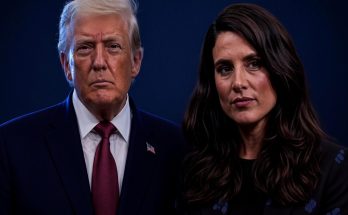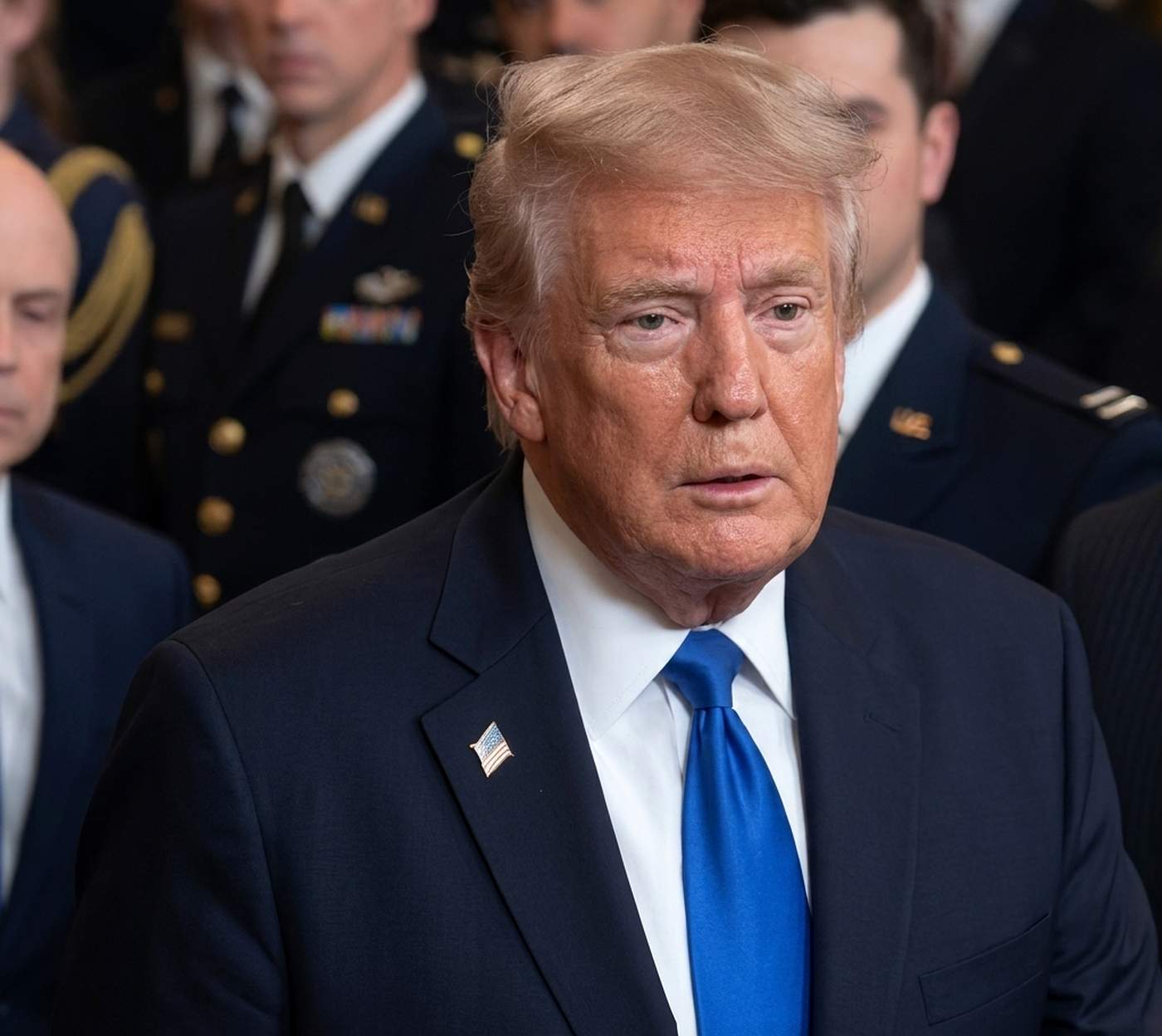
Federal prosecutors have filed sweeping criminal charges against former U.S. President Donald Trump, accusing him of participating in a coordinated effort to undermine the peaceful transfer of power after the 2020 presidential election. The indictment, brought by Special Counsel Jack Smith, alleges that Trump engaged in multiple schemes designed to overturn the certified results of the election won by Joe Biden. At the heart of the case are serious accusations including conspiracy to defraud the United States, obstruction of an official proceeding, and conspiracy against rights that prosecutors say undermined voters’ constitutional protections.
According to detailed court filings, the alleged conduct went far beyond typical political rhetoric or routine campaign disputes. Prosecutors claim Trump and his allies pursued a multi-pronged strategy that included promoting false claims of widespread election fraud, pressuring state election officials to alter vote counts, attempting to assemble alternate slates of electors in key battleground states, and seeking to enlist the Department of Justice in supporting efforts to challenge the results. The indictment also highlights attempts to influence Vice President Mike Pence to reject or delay the certification of electoral votes during the January 6, 2021 joint session of Congress. These actions, authorities argue, formed an unlawful plan to disrupt the constitutional process for transferring presidential power.
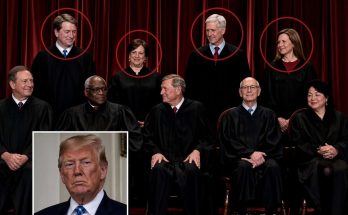
The case has captured intense national and international attention due to its unprecedented nature. It marks one of the most significant criminal prosecutions ever pursued against a former American president. Legal scholars and constitutional experts widely regard the proceedings as a landmark test of the boundaries of presidential authority, particularly in moments of heightened political tension following contested elections. Many observers believe the outcome could set important precedents regarding how far a sitting or former president may go when contesting election results and what legal protections apply to such actions.
Trump and his legal team have categorically denied all wrongdoing. They contend that the former president’s activities were entirely lawful and protected under the First Amendment as political speech. Defense attorneys argue that Trump was simply exercising his right to voice legitimate concerns about election integrity, pursue legal remedies through the courts, and advocate for what he believed were irregularities in voting procedures across several states. His lawyers describe the prosecution as a politically motivated effort to criminalize protected speech and normal political engagement, asserting that the charges selectively target a leading political figure while ignoring similar conduct by others in past elections.
The legal battle has deeply polarized the American public. Supporters of the prosecution view the case as a crucial defense of democratic norms and the rule of law, emphasizing that no individual, regardless of position or influence, should be above accountability when actions threaten the electoral process. They argue that allowing such alleged behavior to go unchecked would erode public confidence in future elections. Conversely, critics contend that the case exemplifies “lawfare”—the weaponization of the justice system against political opponents. They worry that criminalizing disputes over election administration could chill legitimate challenges and further damage trust in institutions already viewed skeptically by large segments of the population.
As proceedings continue through various stages, including potential appeals and constitutional questions surrounding presidential immunity, the case carries profound long-term implications. A final verdict could influence how future presidents and candidates approach election disputes, shape interpretations of executive power during political transitions, and affect the delicate balance between free speech, political advocacy, and legal accountability in American democracy. The outcome will likely resonate well beyond Trump’s personal legal fate, touching on fundamental questions about the resilience of democratic institutions under pressure.