Colorado Gov. Jared Polis on Friday commuted the prison sentence of former Mesa County Clerk Tina Peters, dramatically shortening her punishment after sustained pressure from President Donald Trump and his allies.
Peters, a prominent election integrity activist and former county clerk, had been serving a nine-year sentence after her conviction in a case involving unauthorized access to election equipment in Colorado.
Trump Pardons Them – Democrats Go INSANE
Under the commutation, Peters is scheduled to be released June 1. In a letter explaining his decision, Polis made clear he was not excusing her conduct.
Peters was convicted of serious crimes and deserved prison time, he wrote.
Trump Wins Again – Schumer Can’t Believe It
“However, this is an extremely unusual and lengthy sentence for a first-time offender who committed nonviolent crimes,” Polis said.
The move follows an April decision by a Colorado appeals court ordering Peters to be resentenced after finding the original trial judge improperly factored her speech about election fraud into sentencing.
Trump Returns From China, Drops Bombshell Announcement
The appeals court upheld her convictions but found fault with how the sentence was imposed.
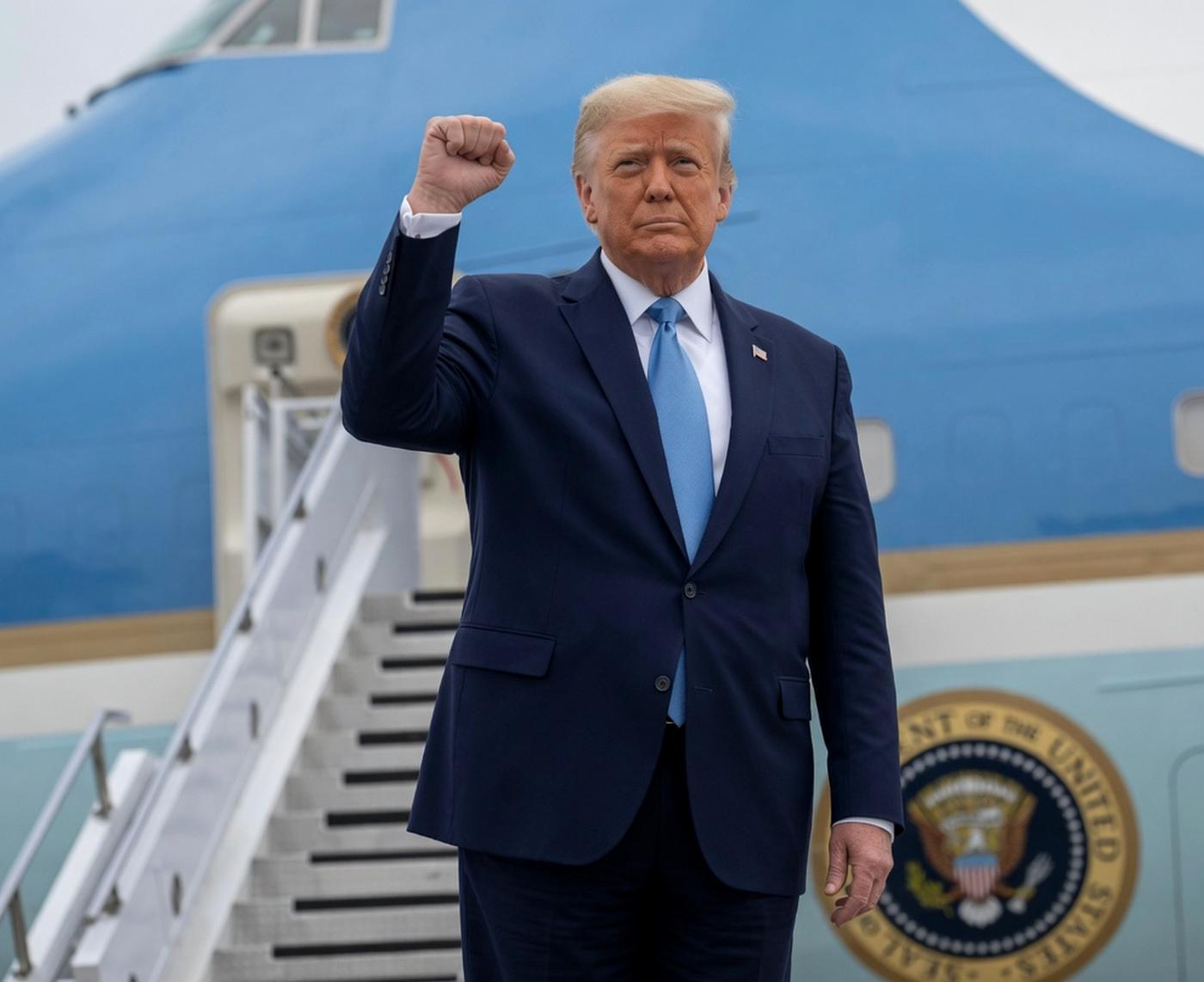
Trump immediately celebrated the announcement. “FREE TINA!” the president posted on Truth Social.
Peters became a national figure after prosecutors accused her of allowing an outside computer expert tied to MyPillow CEO Mike Lindell to access Mesa County election systems during a Dominion Voting Systems software update in 2021.
Authorities said sensitive election system images and passwords were later publicly released after Peters appeared at Lindell’s “cybersymposium,” where claims of election fraud were promoted.
Because Peters was convicted on state charges, Trump had no direct pardon power over her case.
But that did not stop him from aggressively advocating for her release.
Trump repeatedly attacked Polis over the imprisonment, referring to him as a “Scumbag Governor,” and criticized Mesa County District Attorney Daniel Rubinstein for prosecuting the case.
At one point, Trump reportedly uninvited Polis from a White House meeting with governors over the controversy.
Trump also described Peters as elderly, ill and unfairly targeted.
Colorado Secretary of State Jena Griswold blasted the commutation. “It was a dark day for democracy,” Griswold said. “Selling out our state’s justice system for Trump is an affront to the rule of law,” she added.
“A clear message is being sent to those willing to break the law and attack democracy for the president – they will likely not face consequences for their actions.”
Peters had been incarcerated in Pueblo.
Her attorneys argued her health deteriorated significantly behind bars.
According to court filings and public statements, Peters previously had part of her right lung removed and began suffering respiratory problems after prison heating systems activated during colder months.
Her lawyers also said she struggled with chronic pain tied to fibromyalgia and had difficulty sleeping because of prison conditions.
In January, Peters was involved in a physical confrontation with another inmate.
Colorado corrections officials later cleared her of assault allegations, though she was found guilty of being in an unauthorized area.
Polis had been publicly signaling possible clemency for months.
Earlier this year, he called Peters’ sentence “unusual and harsh” for a first-time, nonviolent offender.
“Justice in Colorado and America needs to be applied evenly,” Polis wrote in an earlier social media post.
Initially, however, Polis suggested Peters would need to demonstrate remorse and contrition before clemency would be considered, The Washington Times reported.
The ultimate decision is politically explosive because Polis is a Democrat who has often positioned himself as independent-minded, sometimes breaking with fellow Democrats.
While criticizing Trump on immigration and tariffs, Polis has also praised certain Trump initiatives, including the Department of Government Efficiency and aspects of Robert F. Kennedy Jr.’s health agenda.
The Peters case became a major rallying point for election integrity activists who argued the punishment was politically motivated. Critics, meanwhile, saw her prosecution as accountability for serious interference with election systems.