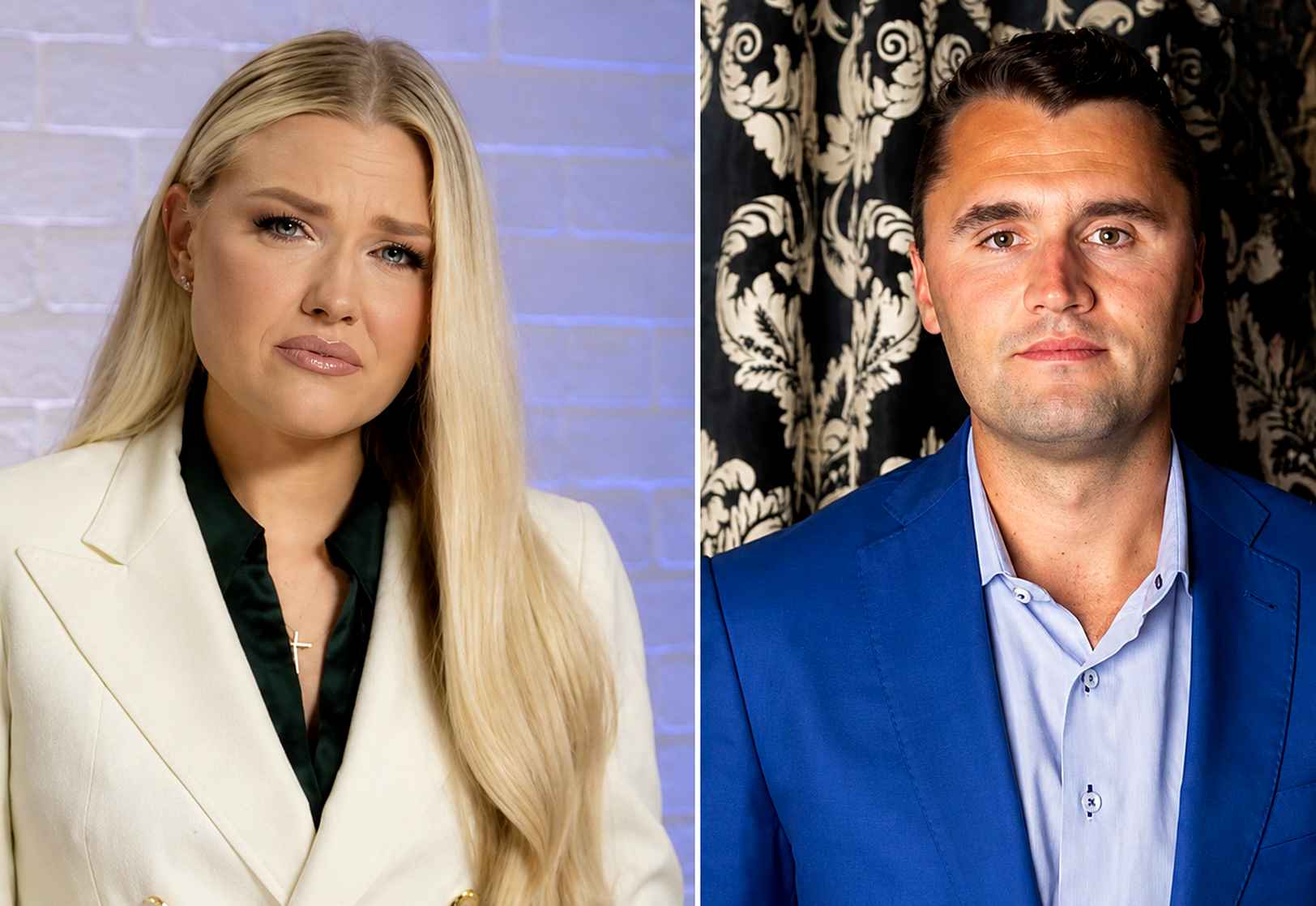
The defense team for Tyler Robinson, who is accused of killing conservative influencer Charlie Kirk, has filed a motion to close parts of an upcoming preliminary hearing. Robinson is accused of fatally shooting Kirk while he was speaking at Utah Valley University on September 10th.
He faces charges of aggravated murder and several additional felonies and could be eligible for the death penalty if convicted. (Newly released text messages are bad news for Robinson)
The defense motion, filed Friday, asked the court to close parts of the preliminary hearing scheduled for May 18, 19, and 22. (Latest report from ATF shook up the entire case)
According to the motion, the parties are expected to present testimony and exhibits during the preliminary hearing.
The defense team contends that these presentations may be inadmissible at trial or could jeopardize Robinson’s right to a fair trial.
The motion argues that the prosecution has chosen to rely on ‘Rule 1102,’ which allows for the use of ‘reliable hearsay’ during a preliminary hearing.
The motion states that hearsay would be inadmissible during the trial, ABC4 in Utah reported.
“The State intends to present as exhibits numerous videos which clearly cannot become public in advance of trial, given the well-established quantum of highly inflammatory media and social media coverage of this case, without further impairing Mr. Robinson’s constitutional right to a fair trial,” the motion states.
Previously, the judge, Tony Graf Jr., ordered certain hearings closed after courtroom videographers were seen filming Tyler Robinson in shackles and speaking with his attorney, actions that violated the court’s decorum rules. The defense has argued that all proceedings should be closed to the public, while media organizations and representatives for the victim’s family have opposed those requests.
In December, the judge ruled that both the defense and prosecution must notify media representatives when a hearing will be closed, but denied the media’s request to be granted formal party status in the case, ABC4 noted.
In March, Robinson’s defense team filed another motion seeking to bar cameras entirely from the courtroom, arguing that extensive media coverage has created bias and could interfere with his right to a fair trial, said the outlet.
They also argued that media coverage of the case has been aimed at sensationalizing the proceedings rather than serving a traditional journalistic purpose.
Attorneys on both sides in the case against Tyler Robinson have continued to dispute the role of media coverage in the courtroom.
But Graf ruled that cameras would be allowed in his courtroom for the April 17 hearing.
“In balance, the defendant has not provided a sufficient basis for the court to find that the interests favoring closure outweigh the interest favoring an open proceeding and the presumptive right to access,” Judge Graf said during Friday’s hearing. He further noted that while the April hearing would generally be open, portions might be closed to protect privacy and safety concerns.
The defense had until March 30, 2026, to file a redacted version of their motion to keep cameras out of the courtroom. This would let them make arguments about certain closures.
The ruling on Friday cited the U.S. Supreme Court’s 1981 decision in Chandler v. Florida, which said that having cameras in the courtroom does not automatically violate a defendant’s right to a fair trial.
Graf argued that the decision struck a balance between the public’s right to know and the defendants’ rights. In the end, they rejected the defense’s claims that media coverage could bias potential jurors in this high-profile case.
Most recently, the defense filed a motion seeking to hold prosecutors in contempt, accusing them of engaging in a “willful media tour.”
Prosecutors, however, have said their public statements were issued only in response to what they described as “misleading” claims from the defense.