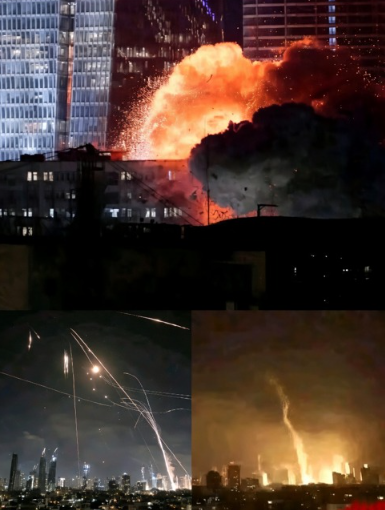
Israel Under Heightened Security Alert: Regional Tensions and the Search for Stability Recent developments indicate that Israel has entered a period of heightened security amid renewed tensions in the region. Officials have confirmed increased military readiness and expanded defensive precautions in response to reported threats. While details remain limited and the situation continues to evolve, authorities emphasize that precautionary measures are intended to protect civilian populations and maintain national security. The Middle East has long been shaped by complex geopolitical dynamics, and Israel often finds itself at the center of these developments. The country’s proximity to areas that have experienced political instability, armed conflict, and shifting alliances means that security conditions can change rapidly. Current concerns are therefore being viewed within a broader historical context rather than as an isolated incident.
According to official statements, several protective systems have been activated to address potential risks. These measures include enhanced surveillance operations, closer intelligence coordination among security agencies, activation of air defense systems, and increased readiness among emergency response services. Civil defense advisories have also been issued in major cities, encouraging residents to remain informed through official communication channels. Security experts note that modern regional conflicts frequently involve a mix of state and non-state actors. As a result, determining responsibility in the early stages of emerging tensions can be difficult. Analysts often point to a combination of factors that influence developments in the region, including longstanding political disputes, territorial issues, strategic rivalries, and broader international interests. Israeli leadership has indicated that its approach involves both security preparedness and diplomatic engagement. While strengthening defense capabilities remains a priority, maintaining communication with international partners is also seen as essential for reducing misunderstandings and preventing further escalation.
International organizations, including the United Nations, have historically played a role in encouraging dialogue and supporting humanitarian efforts during periods of tension. Global leaders frequently call for restraint and cooperation when situations like this arise, emphasizing the importance of protecting civilians and maintaining stability. Beyond political and strategic considerations, heightened tensions also have human consequences. Communities living in affected areas often face uncertainty and disruption, highlighting the importance of humanitarian support and accurate information. As events continue to unfold, analysts and policymakers will closely monitor diplomatic developments, security responses, and regional reactions. While challenges remain significant, ongoing dialogue and international cooperation continue to offer pathways toward stability and long-term peace in the region.