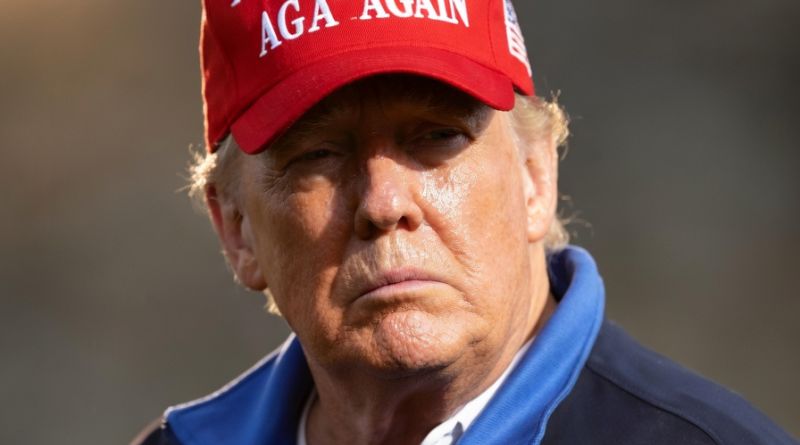
President Donald Trump has significantly expanded his executive reach since returning to office in January 2025, recently signing a sweeping executive order targeting diversity, equity, and inclusion (DEI) practices within the federal sphere. This directive specifically prohibits federal contractors and subcontractors from engaging in what the administration classifies as “racially discriminatory DEI activities.” By instructing the Office of Management and Budget to issue compliance guidance and the Federal Acquisition Regulatory Council to overhaul procurement rules, the administration aims to enforce a strict merit-based hiring standard. Trump argues that DEI programs have artificially limited the labor pool, increased workforce turnover, and imposed unnecessary costs on taxpayers. He characterized the previous administration’s “Equity Action Plans” as a source of “immense public waste” and “shameful discrimination,” signaling a total reversal of the prior administration’s cultural and social priorities.
The enforcement mechanism of this order is notably robust, requiring the Attorney General to prioritize contractual violations and expedite the review of related civil rights complaints filed by private citizens. Federal agencies are mandated to cancel, terminate, or suspend contracts with any company that refuses to dismantle its DEI framework. This initiative follows a broader executive order from earlier in 2025 that demanded the elimination of DEI offices, positions, and performance standards across the entire federal government. Trump’s aggressive use of the executive pen—signing more than 240 orders in his first months back—underscores a calculated strategy to bypass a stagnant Congress on contentious social and economic issues. He asserts that these measures will ensure that taxpayer-funded contracts are not used to subsidize identity-based hiring practices that he views as both exclusionary and fundamentally detrimental to national economic efficiency. Transitioning from corporate policy to the world of sports, President Trump has also issued a stark warning regarding the current state of Name, Image, and Likeness (NIL) payments in college athletics. During a high-level summit held in the East Room of the White House, he suggested that the existing NIL landscape could destabilize the U.S. higher education system entirely. Addressing a room that included NCAA President Charlie Baker and the CEO of the U.S. Olympic and Paralympic Committee, Trump claimed the educational system might “go out of business” if reforms are not enacted quickly. He specifically targeted the court-approved settlement that allows schools to share revenue directly with athletes, lamenting the erosion of the traditional amateur model. Trump noted that while the old system of scholarships provided a stable foundation for student-athletes, the current model has thrown the athletic world into significant turmoil. To combat this perceived instability, the President is preparing an “all-encompassing” executive order aimed at forcing Congress to take legislative action on NIL regulations. While he acknowledged that such a move would likely trigger a wave of legal challenges in federal court, he believes judicial intervention is necessary to revisit the decisions that opened the floodgates for widespread compensation. When questioned about prioritizing collegiate sports over pressing foreign policy issues like the conflict with Iran, Trump maintained that the health of the educational system is a foundational national concern. By leveraging his executive authority to address both the federal workforce and the collegiate sports industry, Trump is seeking to dismantle established liberal frameworks and restore a more traditional, meritocratic, and amateur-focused standard across these central American institutions.