The Washington Post thought it had a scoop. Two anonymous sources. A dramatic scene at Camp David. A furious president dressing down his defense secretary over supposed munitions shortages. The kind of story that, if true, would signal chaos at the top of the administration during an active military conflict with Iran.
It wasn’t true. Not a word of it.
Karoline Leavitt was at Camp David. She said so plainly: the confrontation the Post described “literally never happened.” Pentagon spokesman Sean Parnell confirmed the administration told the Post directly that the story was false before publication. The Post ran it anyway, with the anonymous sourcing and the dramatic framing intact, because the story served a narrative it wanted told regardless of whether the facts supported it.
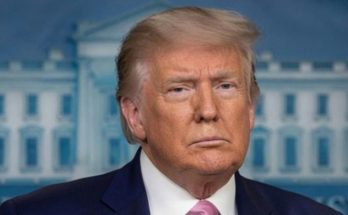
Trump’s response was personal and public. In a Truth Social post that the White House press office amplified Thursday, the president defended Hegseth in the strongest possible terms while tearing into the Post by name:
“The Fake News, as usual, is spreading false and completely unfounded rumors. I am extremely happy with the job that Pete Hegseth is doing. Everything has been extraordinary, including our attack on Venezuela, where the result was accomplished in less than one day, allowing us to bring one of the worst criminals anywhere in the World, Nicolas Maduro, to Justice!”
He credited Hegseth with the Iran operation, with eliminating DEI from the military, and with driving recruitment to historic levels. And he ended with the word that matters most for understanding what the administration believes about the Post’s sourcing: “treasonous.”
This is not the first time the Washington Post has run with anonymously sourced stories about administration chaos that didn’t pan out. The same paper ran the MS NOW-featured Kash Patel firing story — five reporters, eight anonymous sources, an admission buried in the middle that they didn’t know why Patel was summoned to the White House. Patel was working on a leak investigation. The story was fiction assembled from hostile sources.
The pattern is consistent: anonymous officials with axes to grind, dramatic framings that imply dysfunction, publication despite denials from the administration, and zero accountability when the story falls apart. The Post’s own slogan — “Democracy Dies in Darkness” — has become a punchline precisely because the paper so reliably generates its own darkness through exactly this kind of anonymous-source journalism.
What the Post actually produced this week is a coordinated influence operation — the munitions shortage story and the Camp David confrontation story both appeared in the same news cycle, both built on anonymous sources, both painting the same picture of an administration in crisis. Both false. Both timed to land while Iran is deciding whether to accept deal terms.
Trump called it treasonous. Parnell confirmed the denial was ignored. Leavitt said it never happened.
The Washington Post ran it anyway because they’ve long since stopped being a legitimate news outlet in lieu of being propagandists for the never-Trump left.