One of the Democratic Party’s most closely watched primary battles has come to an end after months of campaigning, sharp personal attacks and deep ideological divisions.
The outcome is expected to have national implications as both parties compete for control of the U.S. Senate in next year’s election.
The race evolved into far more than a contest between two candidates, becoming a test of where Democratic voters in a critical battleground state wanted to take their party.
From healthcare and campaign finance to Israel and the party’s political identity, the primary exposed many of the debates shaping Democrats nationwide.
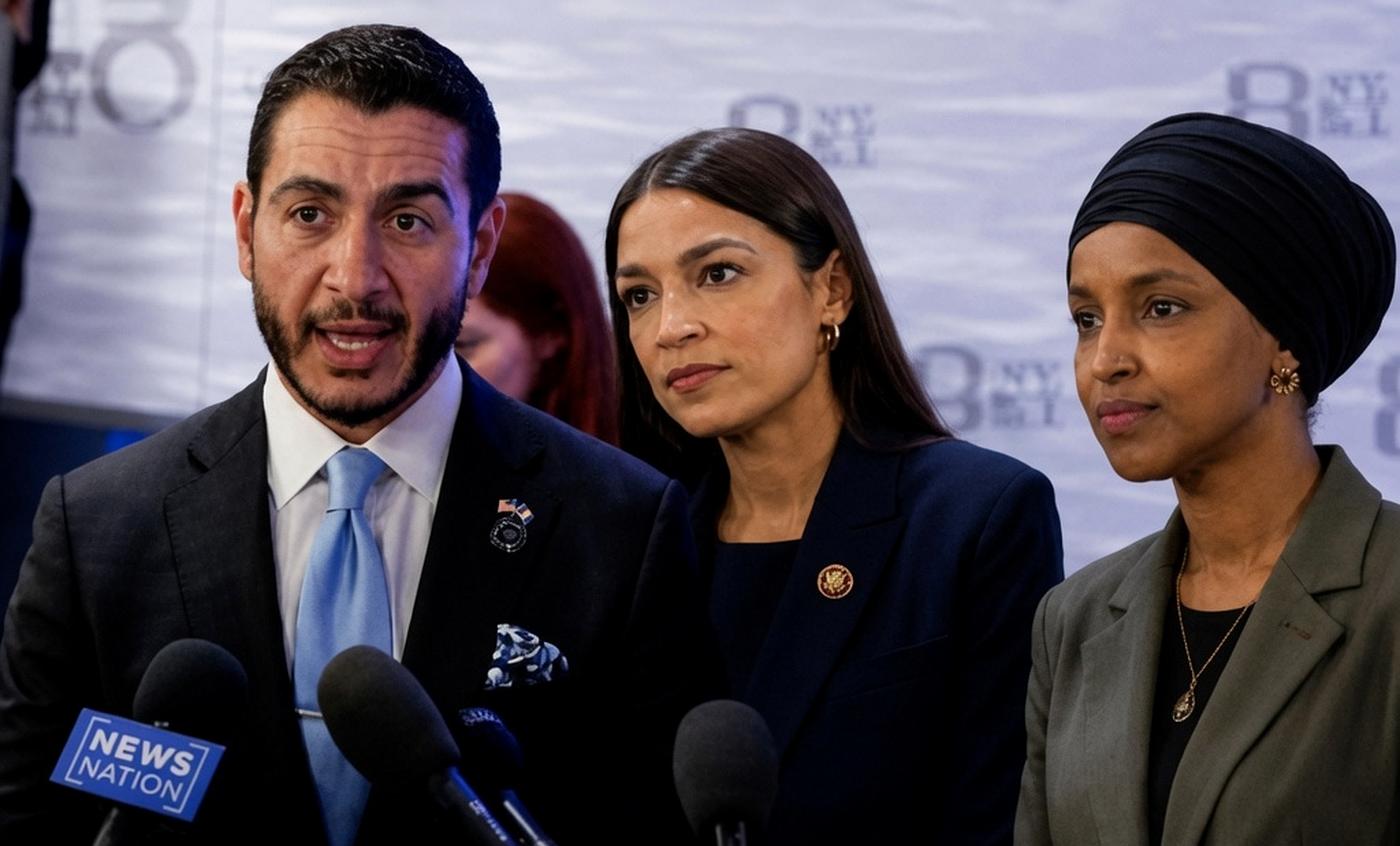
NBC News has projected that Abdul El-Sayed has won Michigan’s Democratic Senate primary, defeating Rep. Haley Stevens after one of the most closely watched and expensive Democratic primary contests of the 2026 election cycle.
The victory gives El-Sayed, a former public health official backed by many of the party’s progressive leaders, the Democratic nomination in a race that exposed deep ideological divisions within the party and drew tens of millions of dollars in outside spending.
El-Sayed prevailed despite a wave of support for Stevens from Democratic establishment figures, including Gov. Gretchen Whitmer, who endorsed the congresswoman in the final weeks of the campaign as Stevens sought to blunt El-Sayed’s late momentum.
According to NBC News, outside groups poured nearly $65 million into the race, making it one of the most expensive Senate primaries in the nation this year.
El-Sayed will now face Republican Mike Rogers in November after Rogers secured the GOP nomination without opposition.
The general election is expected to be one of the nation’s most competitive Senate contests, with both parties viewing the Michigan seat as critical in the battle for control of the Senate.
The Michigan Senate race is widely viewed as one of the most competitive contests in the country and could play a significant role in determining which party controls the Senate following the November election.
The seat became open after Democratic Sen. Gary Peters announced in early 2025 that he would not seek a third term in office.
The Democratic primary narrowed to Stevens and El-Sayed after state Sen. Mallory McMorrow ended her campaign in July, leaving Democratic voters to choose between two candidates representing different wings of the party.
Stevens entered the race with the support of many establishment Democrats, including Senate Minority Leader Chuck Schumer, who viewed her moderate political profile as a strong fit for a statewide race in a politically competitive state.
El-Sayed, meanwhile, earned endorsements from prominent progressive leaders, including Sen. Bernie Sanders and Rep. Alexandria Ocasio-Cortez, while campaigning on policies such as Medicare for All and broader economic reforms.
Health care became one of the major issues separating the candidates, with El-Sayed supporting a single-payer system while Stevens favored a different approach.
The candidates also sharply disagreed over corporate influence in politics, campaign finance and the role of outside spending in elections.
One of the campaign’s lighter moments also attracted national attention after a video of Stevens telling supporters she planned to campaign with “a little bit of joy, a little bit of enthusiasm, a little bit of energy and a little bit of stick it to ’em” went viral, prompting widespread discussion online about her speaking style, NBC News reported.
With the Democratic primary now decided, attention shifts to the general election, which is expected to be one of the nation’s most competitive Senate races.