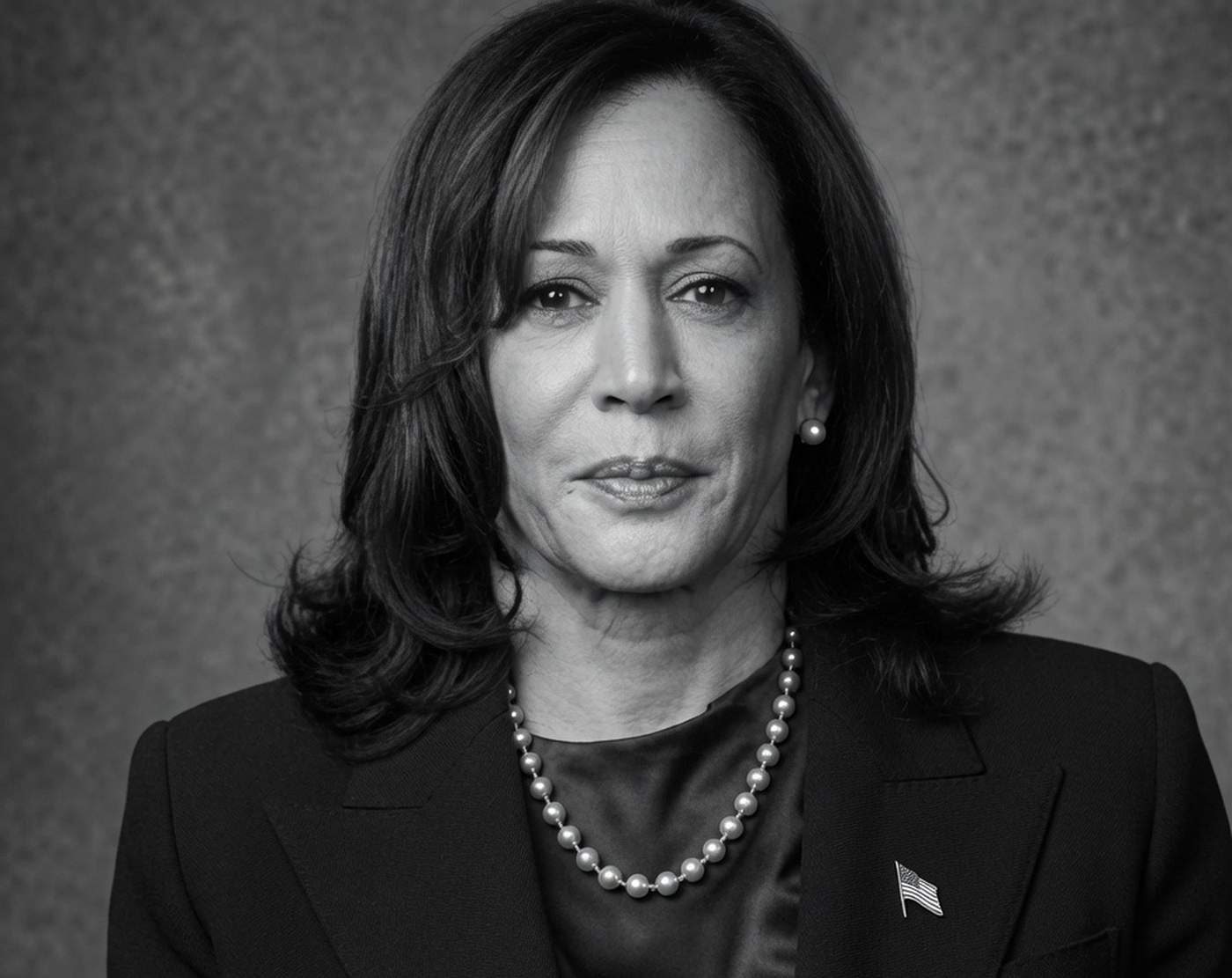
The recent election loss of Kamala Harris to Donald Trump has triggered an intensive period of internal reflection and finger-pointing within the Democratic Party. While some allies attributed the defeat to the timing of Joe Biden’s late withdrawal from the race, many former staffers and insiders offered a more sobering assessment. They argued that the campaign fundamentally misunderstood the United States political landscape, operating under the flawed assumption that they could simply inherit and maintain an existing coalition without adjusting their strategy for a rapidly changing electorate.
A significant portion of the criticism came from Willie Brown, the former mayor of San Francisco. Brown noted that the campaign team failed to learn from the Democratic party’s past failures, specifically drawing parallels to Hillary Clinton’s loss in 2016. According to Brown, the Harris team suffered from a lack of self-correction, choosing to rely on internal optimism rather than hard data. This led to massive blind spots in key regions, where the campaign failed to ask difficult questions about their standing with the public.
Messaging proved to be another critical hurdle. The Kamala Harris campaign attempted to appeal to a wide variety of interest groups simultaneously, which ultimately diluted her central message and left voters questioning whether she represented continuity or a fresh start. This ambiguity was exacerbated by her role in the Biden administration; strategists found themselves spending valuable time defending the current record rather than defining Harris as an independent leader. In contrast, the Trump campaign maintained a consistent, targeted message that framed Harris as inexperienced and disconnected from the daily struggles of the average voter.
As the race entered its final weeks, internal concerns grew regarding a lack of focus on battleground states. Outreach to Latino voters and rural communities was criticized as being too late to make an impact, and support among young voters—traditionally a Democratic stronghold—began to erode. Staffers described the closing strategy as “improvised,” noting that by the time the campaign realized they were losing ground, the window for recovery had already closed. Reports from election night described a deeply personal reaction from Harris, who was seen wiping away tears as the Donald Trump victory became clear.
Ultimately, the analysis points to a need for realism in future Democratic efforts. The loss of Kamala Harris serves as a cautionary tale about the dangers of prioritizing sentiment over strategy and failing to engage with the evolving concerns of a diverse national electorate.