California’s election system is facing renewed scrutiny after U.S. Attorney Bill Essayli accused state officials of refusing to provide voter registration records that federal authorities say are necessary to audit the state’s voter rolls and verify compliance with federal election laws.
The dispute comes as California continues counting ballots from last week’s primary election and as federal officials confirm that multiple election-related investigations are currently underway in the state.
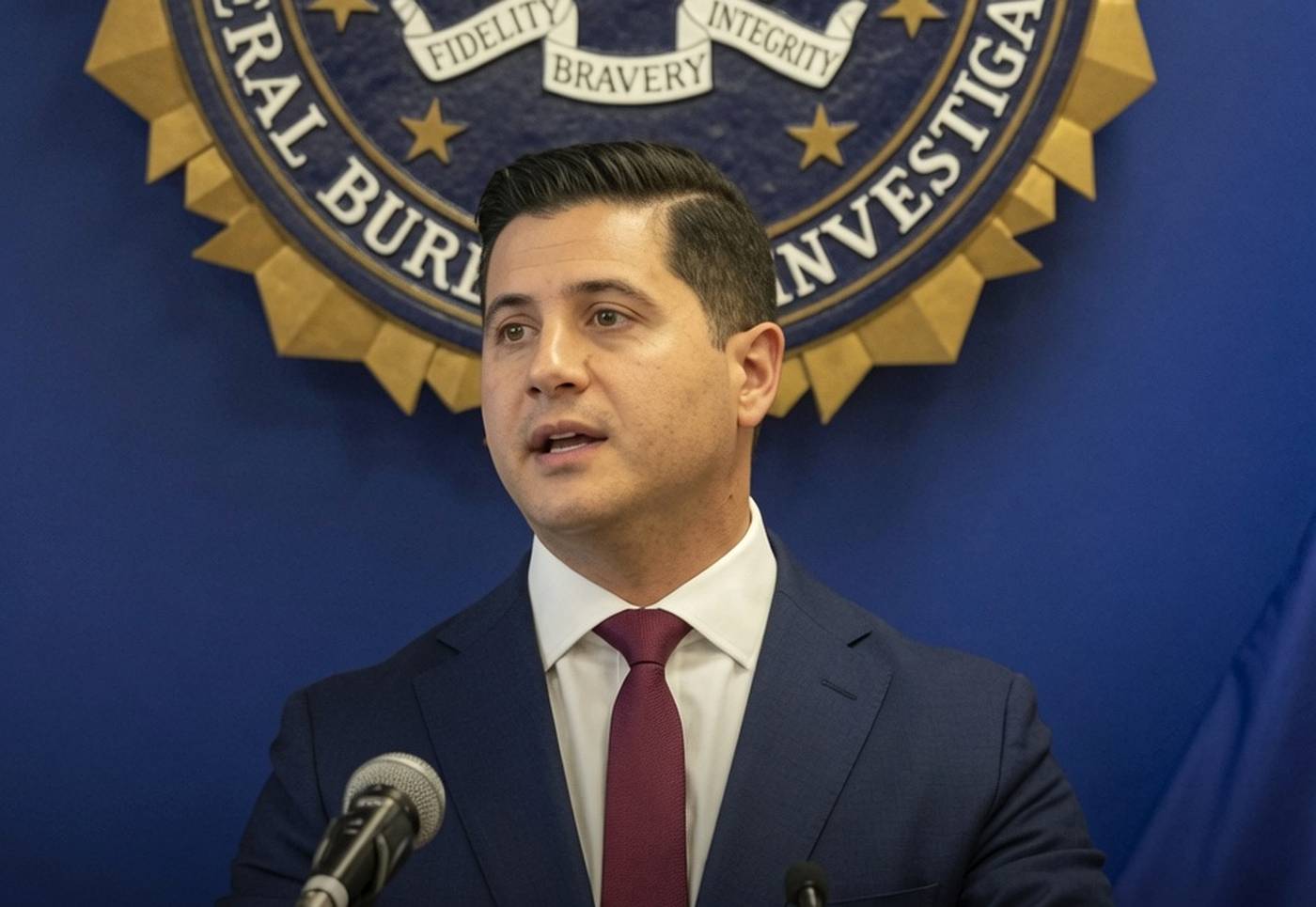
In a statement posted Sunday, Essayli said California is actively blocking a federal review of its voter registration system.
“California is blocking a federal audit of its voter rolls,” Essayli wrote. “For over a year, the Department of Justice has been trying to audit California’s voter rolls. Federal law gives the Attorney General the authority to review state voter files and confirm that only eligible U.S. citizens are voting in federal elections.”
The disagreement stems from an ongoing lawsuit between the Department of Justice and California Secretary of State Shirley Weber.
According to court filings, Assistant Attorney General Harmeet Dhillon sent California election officials a formal request in August 2025 seeking access to voter registration records.
The Justice Department requested:
• A complete electronic copy of California’s statewide voter registration database
• Voter names
• Dates of birth
• Residential addresses
• Driver’s license information where applicable
• The last four digits of Social Security numbers where applicable
• Copies of voter registration applications submitted between December 1, 2023, and July 1, 2025
Federal attorneys argue that several federal statutes, including the National Voter Registration Act, the Help America Vote Act, and portions of the Civil Rights Act, authorize federal officials to inspect voter registration records and conduct election-related investigations.
The Justice Department further argues that California’s privacy laws do not prevent disclosure of these records to federal authorities acting under federal law.
The lawsuit remains pending before the Ninth Circuit Court of Appeals.
At the same time, Essayli has drawn attention to California’s voter identification standards for certain first-time voters.
According to Essayli, California permits some voters who do not provide a driver’s license number or Social Security number during registration to verify their identity using alternative documents that many Americans would not typically associate with voter identification.
Those documents include:
• Gym membership cards
• Employer identification cards
• Credit cards
• Debit cards
• Prescription drug labels
• Insurance cards
The inclusion of insurance cards has generated particular controversy because California provides taxpayer-funded health coverage programs that are available to certain undocumented immigrants.
Critics argue that many of these documents verify identity but do not establish citizenship status, raising concerns about whether voter eligibility is being adequately confirmed.
Essayli specifically cited the state’s voter identification requirements, voter roll maintenance practices, and ballot collection laws as areas that deserve additional federal scrutiny.
The concerns arrive as California remains in the national spotlight for its prolonged vote-counting process.
Unlike many states that require ballots to be received by Election Day, California allows vote-by-mail ballots to be counted if they are postmarked by Election Day and arrive within the state’s legally permitted window afterward.
That process has once again produced shifting election results days after voting concluded.
Several high-profile races remain unresolved.
In the Los Angeles mayoral contest, City Councilwoman Nithya Raman continues to close the gap with Spencer Pratt as additional ballots are processed.
According to updated results released Sunday morning by the Los Angeles County Registrar-Recorder, Pratt held 27.32% of the vote compared to Raman’s 26.21%, with approximately 78% of ballots counted.
Federal interest in California’s election administration has intensified in recent days.
The U.S. Attorney’s Office has confirmed that multiple election fraud investigations are underway, though officials have not publicly identified specific cases or released details regarding the investigations.
Federal prosecutors also recently sent a representative to observe operations at Los Angeles County’s ballot processing center.
California election officials continue to defend the state’s voting system, pointing to safeguards that include voter registration verification procedures, signature matching requirements, ballot tracking systems, and post-election audits.
State officials also note that California law provides counties several weeks to complete the official canvass and certify election results.
Still, election integrity advocates argue that California’s voter registration practices, lengthy ballot-counting periods, and resistance to federal voter roll audits raise legitimate questions that deserve answers.