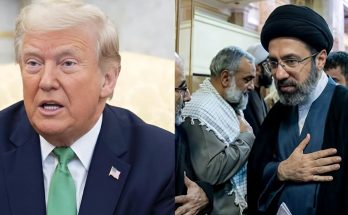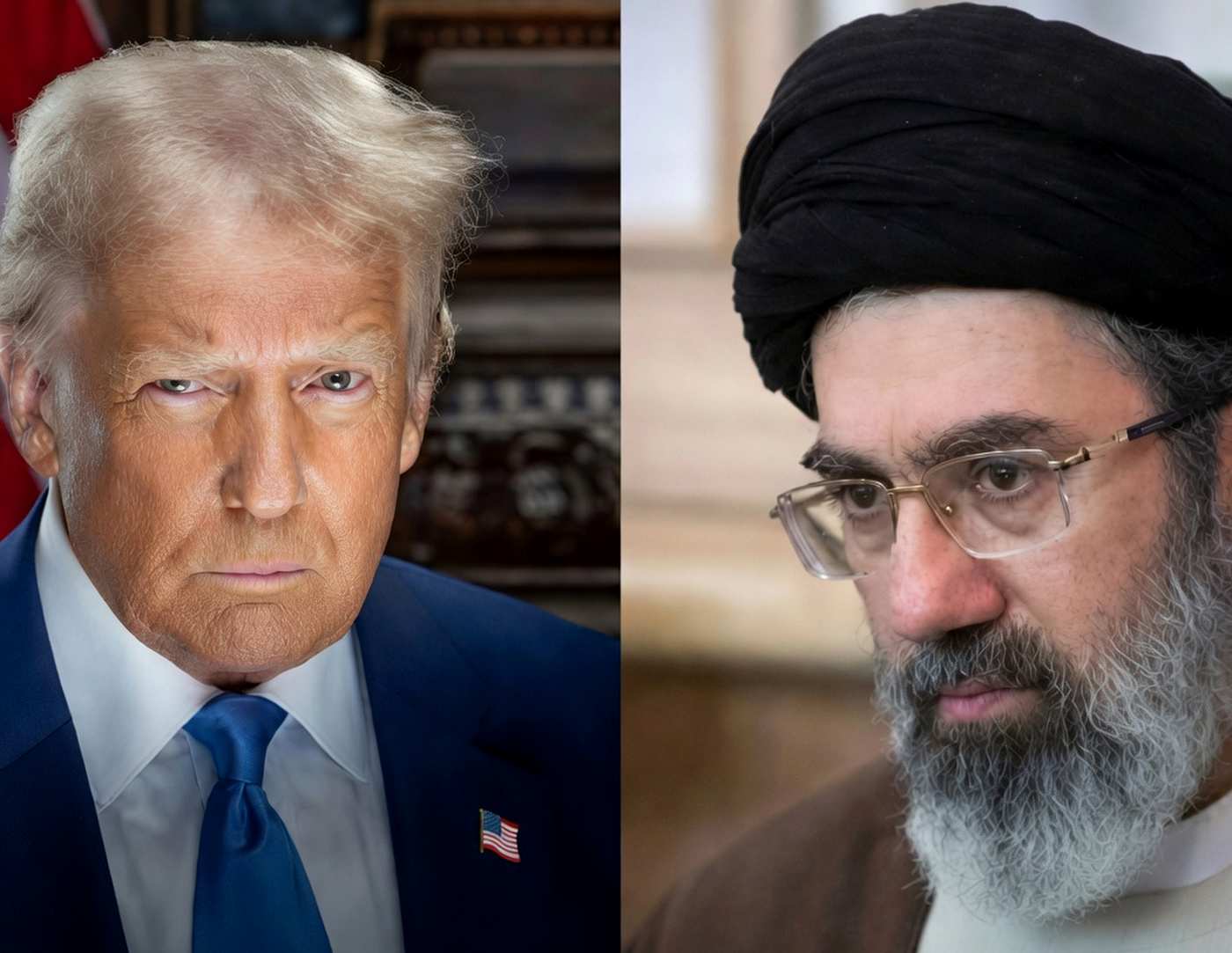
The first explosions shattered more than buildings. They shattered the lingering illusion that the conflict could still be contained. In the early hours of February 28, 2026, jets from the United States and Israel roared across the skies, unleashing a coordinated barrage on Iranian targets. What unfolded was more than a military operation—it marked a dangerous new chapter in the Middle East, one that the world had long feared but hoped to avoid.
Allies across the region reacted with cautious statements, balancing support for Israel’s security needs against fears of uncontrollable escalation. Global markets felt the shock instantly: oil prices surged, stock indices tumbled, and shipping insurers raised premiums for vessels near the Strait of Hormuz. One urgent question echoed from government briefing rooms to family living rooms: Would this strike ignite a wider war?
The operation, dubbed Operation Epic Fury by the United States, was described by American and Israeli officials as a decisive campaign to degrade Iran’s military infrastructure and nuclear ambitions. Over several days, thousands of sorties and precision-guided munitions targeted air-defense systems, ballistic missile sites, drone facilities, naval assets, and key leadership compounds. Officials insisted the strikes were necessary to neutralize what they called imminent threats—facilities believed capable of producing nuclear weapons and enabling devastating regional attacks.
Images and videos quickly flooded social media, showing plumes of smoke rising from damaged compounds and crumpled air-defense batteries. Iranian state media countered by broadcasting footage of intercepted missiles and vowed a fierce response. Iranian leaders issued defiant statements promising “devastating revenge,” raising alarms that the confrontation would not end with a single round.
Behind closed doors, European diplomats and officials from Gulf states scrambled to urge restraint. Multiple governments warned that further escalation risked destabilizing the entire region, potentially drawing in proxy forces from Lebanon to Yemen and disrupting global energy supplies.
On the ground, the human cost was immediate and personal. In Tehran, families huddled in shelters or basements, phones in hand, refreshing news alerts. In Tel Aviv and other Israeli cities, residents listened for sirens and emergency broadcasts, hearts pounding with each alert. Parents whispered reassurances to children while scanning the horizon for signs of incoming threats.
As smoke cleared from the initial strikes, the region held its breath. The operation had severely weakened Iran’s conventional capabilities, yet questions remained about its long-term effectiveness and the potential for asymmetric retaliation. For now, the world watches anxiously: one miscalculation could transform these targeted strikes into the opening salvo of a far broader and more destructive conflict.