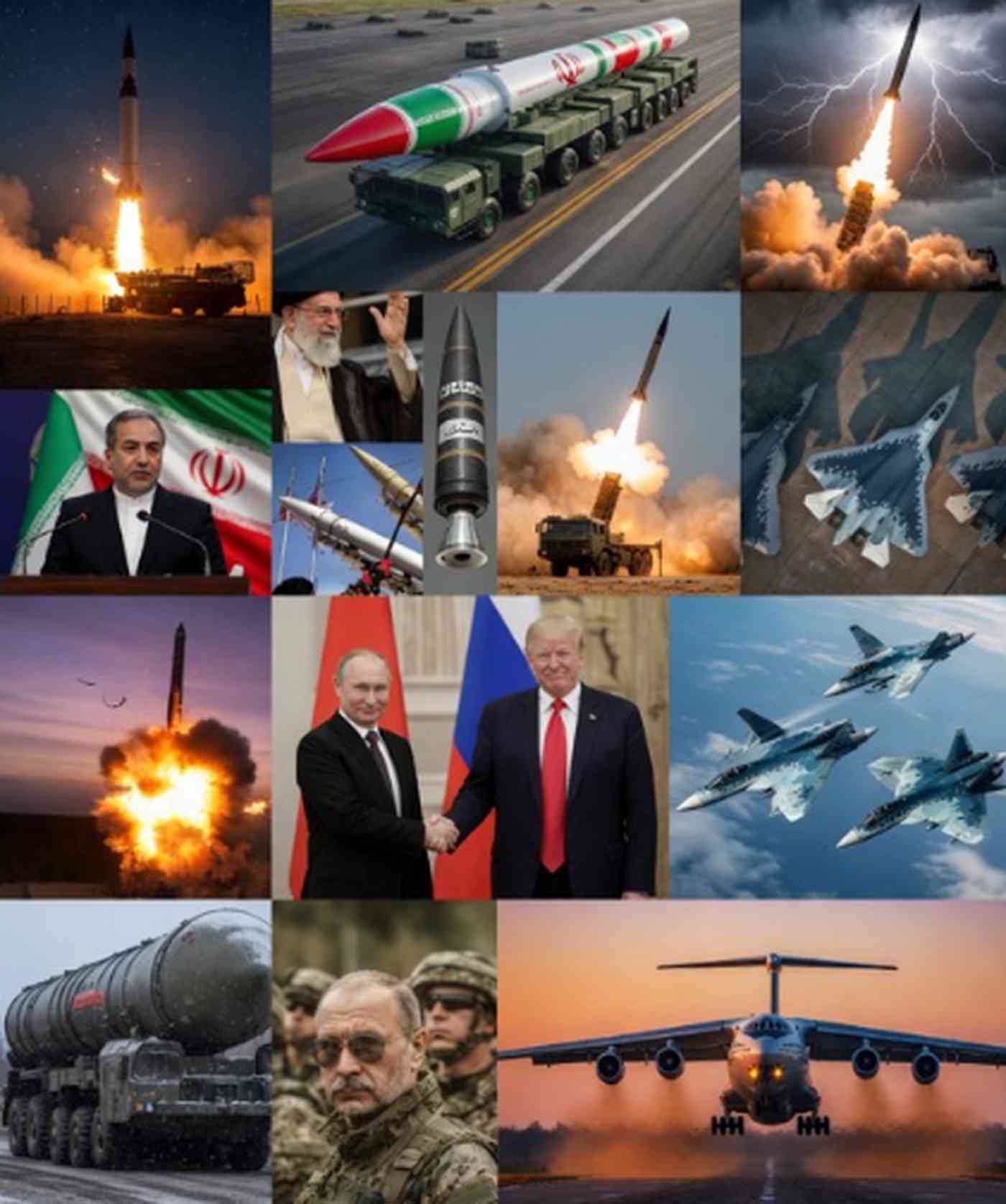
After decades of relying on soft power, economic integration, and the protective umbrella of the United States, the European Union is currently undergoing its most radical transformation since its inception. The peace that once felt permanent has been shattered by Russia’s full-scale invasion of Ukraine, forcing officials in Brussels to confront a reality for which they are arguably ill-prepared: the immediate necessity of defense readiness and industrial rearmament. As geopolitical pressures mount, the continent is racing against a ticking clock to rebuild military structures that were largely hollowed out following the Cold War.
The sense of urgency is being driven by increasingly stark warnings from the highest levels of European and NATO leadership. Vladimir Putin recently signaled that Russia is prepared for a prolonged struggle, while NATO Secretary General Mark Rutte issued a sobering assessment that the alliance’s territory could be targeted within five years. Adding to this, Germany’s defense minister, Boris Pistorius, has cautioned that the era of stability has passed, suggesting the continent may have seen its last “summer of peace.” These statements highlight a shift in rhetoric from theoretical deterrence to active war-footing preparation.
Despite the high-level political pivot, there is a profound disconnect between government policy and public sentiment. Data from a Euronews poll suggests that a staggering 75% of citizens would not be willing to fight for the EU’s borders. This highlights a significant psychological barrier to mobilization, particularly in Western Europe. However, in countries bordering Russia—such as Poland, Lithuania, and Denmark—the public perception of threat is much higher, with over half the population viewing military aggression as a top-tier concern. This geographic divide is shaping how different member states approach the crisis.
Leading the response are the nations on the “frontline,” which have already begun reviving Cold War-era civil defense practices. Lithuania is spearheading the development of “drone walls” and natural defensive barriers, while Latvia has reintroduced mandatory national defense education in schools. In Poland, the focus has shifted toward physical border security and firearm training for youth. Meanwhile, Sweden and Finland have focused on societal resilience, distributing millions of “If Crisis or War Comes” brochures to households to prepare citizens for power outages, evacuations, and communication failures.
In Brussels, the bureaucratic machinery is moving to eliminate the logistical hurdles that currently hinder military movement. The proposed “Military Schengen” system aims to cut troop transit times across borders from three days to just six hours during emergencies. This requires a massive investment of up to €100 billion to upgrade critical infrastructure, including 500 bridges, tunnels, and railway points that must be reinforced to support heavy tanks and equipment. These efforts are part of the broader Readiness 2030 roadmap, which envisions a fully integrated European defense landscape.
Financially, the EU is shifting its priorities to support this massive rearmament effort. Defense spending across the bloc exceeded €300 billion in 2024, with another €131 billion earmarked for the 2028–2034 budget cycle. Central to this strategy are two new financial engines: EDIP (European Defence Industry Programme) and SAFE (Strategic Armament Financing Envelope). SAFE, a €150 billion loan facility, is designed to allow member states to pool resources for joint procurement, effectively ending the fragmentation that has plagued the European defense sector for years.
The relationship with the United States remains a primary source of tension. Washington’s “America First” posture, highlighted in its recent security strategy, has signaled that Europe must take over the lion’s share of its own conventional defense. While NATO allies have agreed to target 5% of GDP for defense by 2035, many in Brussels view this timeline as nearly impossible. This pressure has fueled calls from leaders like Kaja Kallas and António Costa for greater strategic autonomy, asserting that Europe must be able to defend itself regardless of the political winds in Washington.
Ultimately, the transition to a war-ready continent faces deep structural and regulatory limits. Thomas Regnier and other EU officials acknowledge that decades of underinvestment cannot be reversed overnight. Regulatory bottlenecks and limited production capacity in the defense industry remain significant hurdles. As the EU fast-tracks reforms and releases billions in pre-financing for missile and drone projects, the fundamental question remains: can the European Union modernize its industry and unify its defense strategy fast enough to deter a conflict that many experts believe is no longer a matter of ‘if,’ but ‘when’?