At least 13 officials within the Metropolitan Police Department have reportedly been terminated or disciplined following an internal investigation into allegations that department leaders manipulated crime statistics to make Washington, D.C., appear safer than it actually was.
The firings mark a major escalation in a controversy that has been building for more than a year and has already drawn the attention of Congress, federal prosecutors, and the Trump administration.
According to reports first detailed by local media and later amplified by lawmakers on the House Oversight Committee, senior police officials allegedly downgraded serious offenses into lesser categories in official reporting systems, reducing the number of violent crimes reflected in public data releases.
The internal probe reportedly resulted in termination notices being issued to Second District Commander Tatjana Savoy and former Third District Commander Michael Pulliam, along with at least one police captain and numerous additional supervisory officials.
Cmdr. Pulliam had already been suspended last year after allegations surfaced that violent crimes were intentionally reclassified to lower-profile offenses. Investigators reportedly concluded that the practice was more widespread than initially believed, involving multiple districts and layers of department leadership.
The scandal has become politically explosive because crime statistics in Washington were repeatedly cited by city officials and national Democrats as evidence that public safety conditions were improving, even as residents continued reporting concerns about violent crime, carjackings, robberies, and assaults across the city.
The committee’s earlier report painted a damaging picture of department leadership under former Police Chief Pamela Smith. According to that report, district commanders told investigators they felt pressure from leadership to “fix” crime numbers and create what lawmakers described as “the perception of low crime in the District.”
🚨MAJOR NEWS🚨
13 D.C. Police officials have been terminated for their involvement in the manipulation of crime data.
These terminations are a direct result of the Oversight Committee’s work exposing dangerous efforts by DC Police leaders to artificially lower crime rates. https://t.co/pvn7rzmas0
— Rep. James Comer (@RepJamesComer) May 5, 2026
The alleged manipulation reportedly focused on reclassifying offenses among the city’s major violent and property crime categories. Serious assaults, robberies, and other crimes were allegedly downgraded in ways that kept them from appearing in headline public crime statistics.
Critics argue that such practices not only distort public understanding of crime trends but also affect policy decisions, resource allocations, and public trust in law enforcement.
Former Chief Smith, who resigned late last year, has denied wrongdoing and pushed back forcefully against the allegations.
“Never will I ever compromise my integrity for a few crime numbers,” Smith said following publication of the Oversight Committee’s findings.
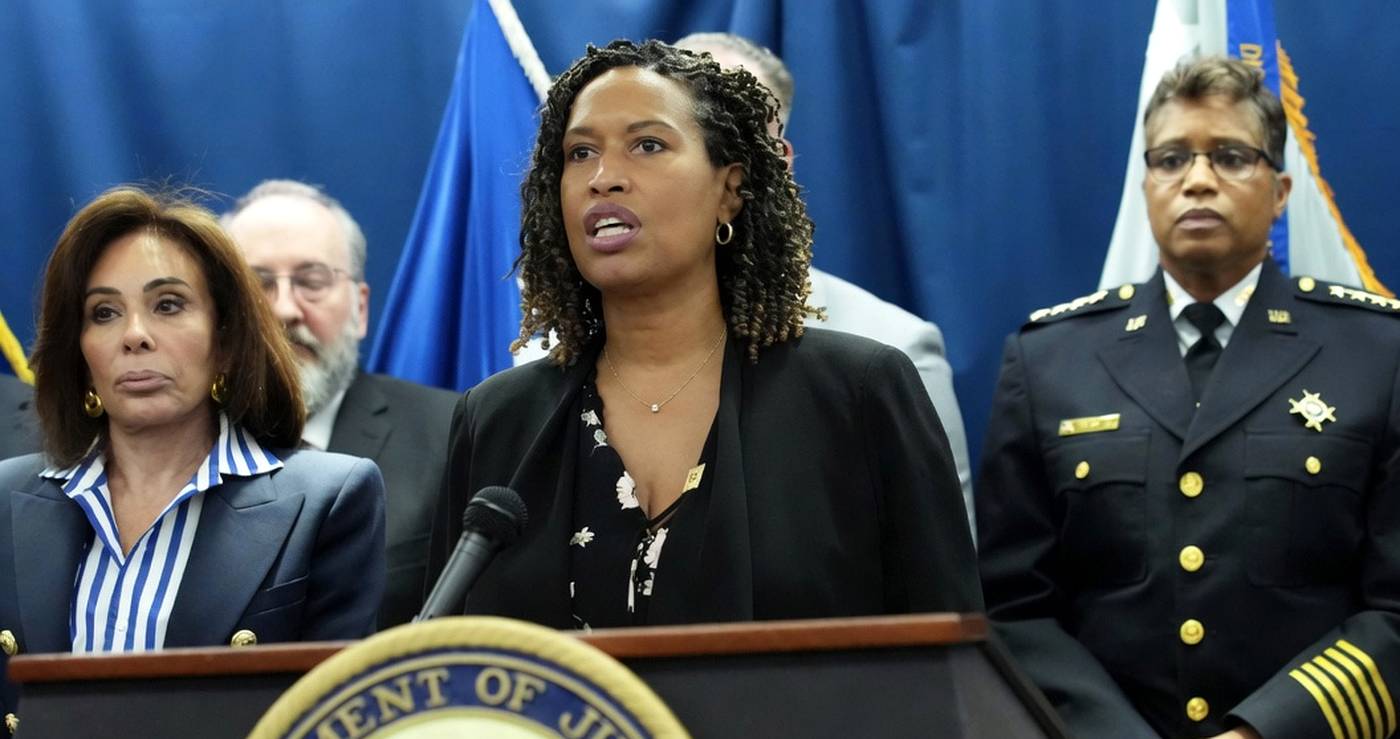
Jeanine Pirro recently revealed that federal prosecutors reviewing cases from the department had upgraded certain assault and firearms charges because suspects appeared to have been undercharged by local authorities.
The Office of the D.C. Inspector General has also launched its own investigation into the allegations, creating parallel probes at both the federal and local levels.
The scandal became nationally prominent last year after President Donald Trump referenced the accusations while defending his administration’s aggressive crime crackdown in Washington. Trump cited concerns about public safety and confidence in local leadership when deploying National Guard troops into the District during the summer security operation.
Now, with more than a dozen officials reportedly removed or disciplined, Republicans are arguing that the investigation has validated those concerns.
The revelations could also reignite broader national debates over crime reporting practices in major cities, especially as public safety remains a dominant issue heading into the 2026 midterm elections.
Lawmakers and investigators are expected to continue pressing for additional records and testimony in the coming weeks as questions remain about how long the alleged manipulation occurred, who authorized it, and whether similar practices may have occurred elsewhere within the department.
For now, the fallout represents one of the most serious scandals to hit Washington’s police department in years — and one likely to have major political and legal consequences moving forward.