The Trump administration announced a new agreement with Regeneron Pharmaceuticals aimed at lowering prescription drug costs, marking a key milestone in its broader effort to bring U.S. prices closer to those in other developed nations.
Under the deal, unveiled at a White House event, Regeneron will reduce prices for certain medications sold through Medicaid and offer additional discounts on select treatments. The agreement makes Regeneron the final major manufacturer among a group of 17 targeted by the administration to participate in its “most favored nation” pricing initiative.
President Donald Trump has made drug pricing reform a central part of his domestic agenda, arguing that Americans often pay significantly more for the same medications than patients in other countries. The “most favored nation” approach seeks to align U.S. prices more closely with international benchmarks, using policy incentives and pressure from the federal government.
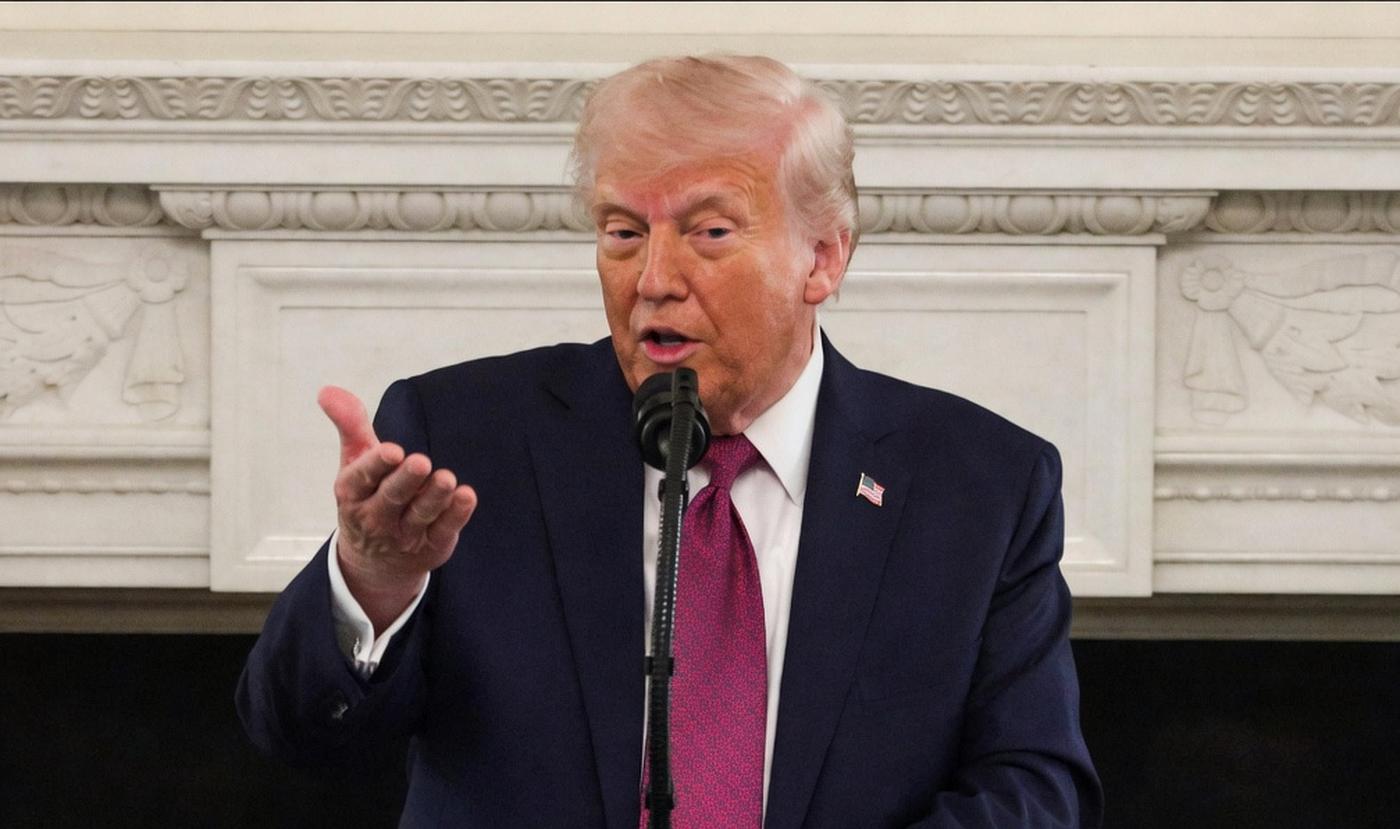
NEW: President Trump announces a major deal with pharmaceutical giant Regeneron to provide prescription medications at new low prices for the American people:
— Fox News (@FoxNews) April 23, 2026
"I'm thrilled to announce that one of the most respected pharmaceutical companies anywhere in the world. Frankly, I know… pic.twitter.com/yw1X7fELpZ
President Donald Trump has made drug pricing reform a central part of his domestic agenda, arguing that Americans often pay significantly more for the same medications than patients in other countries
As part of the agreement, Regeneron said it will lower prices on its current and future drugs for Medicaid patients. The company will also offer its cholesterol medication, Praluent, for $225 through a government-linked platform, a discounted rate compared to typical U.S. pricing.
Administration officials said the deal represents a significant step toward broader industry participation. According to White House health adviser Chris Klomp, agreements reached so far now cover roughly 86 percent of the branded pharmaceutical market. The administration plans to extend negotiations to smaller biotech and pharmaceutical firms in the coming months. Advertisement The White House has relied in part on economic leverage to secure these commitments, including the use of tariff threats and regulatory incentives to encourage companies to lower prices and expand domestic manufacturing. Officials say the strategy is designed to reduce costs while strengthening the U.S. pharmaceutical supply chain.
The discounts announced so far apply primarily to Medicaid, a program that already receives substantial price reductions under existing law. As a result, some analysts say the immediate financial effect on both patients and drugmakers may be limited.
Administration officials said the deal represents a significant step toward broader industry participation
Supporters of the initiative counter that the agreements represent a step toward systemic reform, even if the initial impact is concentrated in specific programs. They argue that expanding the model to additional payers and markets could eventually lead to wider price changes.
The announcement came the same day Regeneron revealed a separate breakthrough: approval from the Food and Drug Administration for a gene therapy designed to treat a rare form of inherited hearing loss. The therapy targets otoferlin-related deafness, a condition affecting a small number of children each year, and represents one of the first treatments capable of restoring hearing function in such cases.
Regeneron said it plans to provide the gene therapy at no cost to eligible patients. Gene therapies are typically among the most expensive treatments on the market, often carrying price tags in the hundreds of thousands or even millions of dollars, making the company’s decision notable within the industry.
The announcement came the same day Regeneron revealed a separate breakthrough: approval from the Food and Drug Administration for a gene therapy designed to treat a rare form of inherited hearing loss
The dual announcements highlight the balancing act facing policymakers and pharmaceutical companies: encouraging innovation while addressing concerns over affordability. As the administration continues to push for additional pricing agreements, the long-term impact of its strategy will likely depend on whether these early deals expand beyond Medicaid and translate into broader savings for patients nationwide.
With midterm elections approaching, the issue of drug pricing is expected to remain a central focus in Washington, as both parties seek to demonstrate progress on healthcare costs—an issue that consistently ranks among voters’ top concerns.