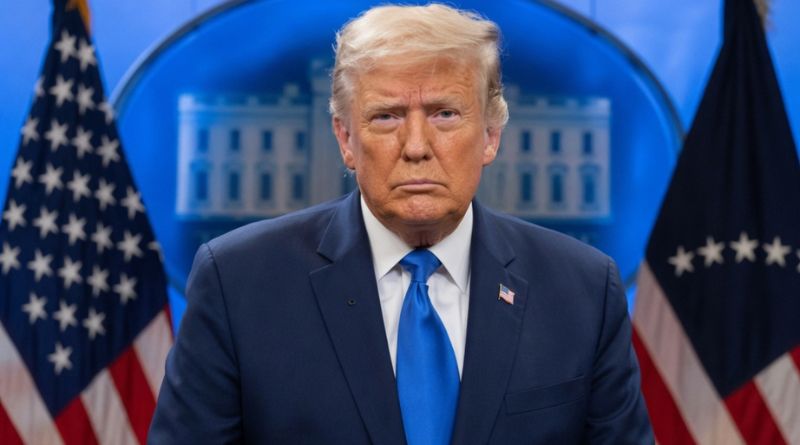
Prosecutors have leveled a comprehensive set of criminal charges against former U.S. President Donald Trump, alleging a sophisticated campaign to subvert the lawful transfer of power and interfere with federal processes following the presidential election. The indictment includes serious counts such as conspiracy to defraud the United States, obstruction of an official proceeding, and the violation of constitutionally protected rights. The prosecution asserts that these actions were not mere political rhetoric but a deliberate, coordinated attempt to influence government outcomes.
This case stands as a landmark legal challenge, raising profound constitutional questions regarding the limits of presidential power and the accountability of high-ranking officials. Legal experts emphasize that the trial will explore the tension between protected political expression and criminal conduct. Trump’s legal team has vigorously contested the allegations, labeling the prosecution as a politically motivated overreach and arguing that the former president’s actions constituted lawful advocacy and protected speech. As the proceedings unfold through pre-trial motions and potential appeals, the case is poised to further polarize national divisions. While some view the trial as essential accountability for alleged abuses of power, others fear the potential for criminalizing political dissent. Ultimately, the judiciary’s ruling will likely define the legal boundaries of presidential conduct in modern American politics and establish a lasting precedent for how future presidents navigate contested elections and post-election disputes.